
Tom’s Take | By Tom Stahler
I’ve been reading quite a bit of online chatter lately about IndyCar’s renewed international ambitions. Naturally, the usual chorus of open-wheel evangelists has emerged, proclaiming that American racing is head and shoulders above Formula One. Better racing. More passing. Closer competition. More unpredictability. Therefore, IndyCar is supposedly poised to challenge Formula One for international supremacy.
Meh… Bullshit.
Can we please get something through our collective thick skulls?
Now, before the IndyCar faithful reach for their torches and pitchforks, let me make something perfectly clear: I love IndyCar racing. In fact, on Sunday afternoons, I’ll watch 27 IndyCars beating the living hell out of each other as much as the 22-car Formula One procession — in which someone generally checks out on the first lap and spends the next 50-plus laps driving into a different ZIP code. But there’s a fundamental difference between putting on a great race and building a spectacular international motorsports championship. Here’s the kicker: American open-wheel racing has already been down this road.
With IndyCar announcing its return to Europe for the 2027 Grand Prix of Barcelona, I started wondering whether the people celebrating this latest expansion actually remember how formidable the CART series once was.
There was a time when American open-wheel racing had practically everything today’s IndyCar apologists are dreaming about: international stars, competing manufacturers, spectacular machinery, and a championship that commanded respect far beyond Indianapolis. This wasn’t some provincial racing series desperately hoping the Europeans might notice. CART was the real deal. That makes what happened next all the more maddening.
Once upon a time, CART was a genuine international powerhouse
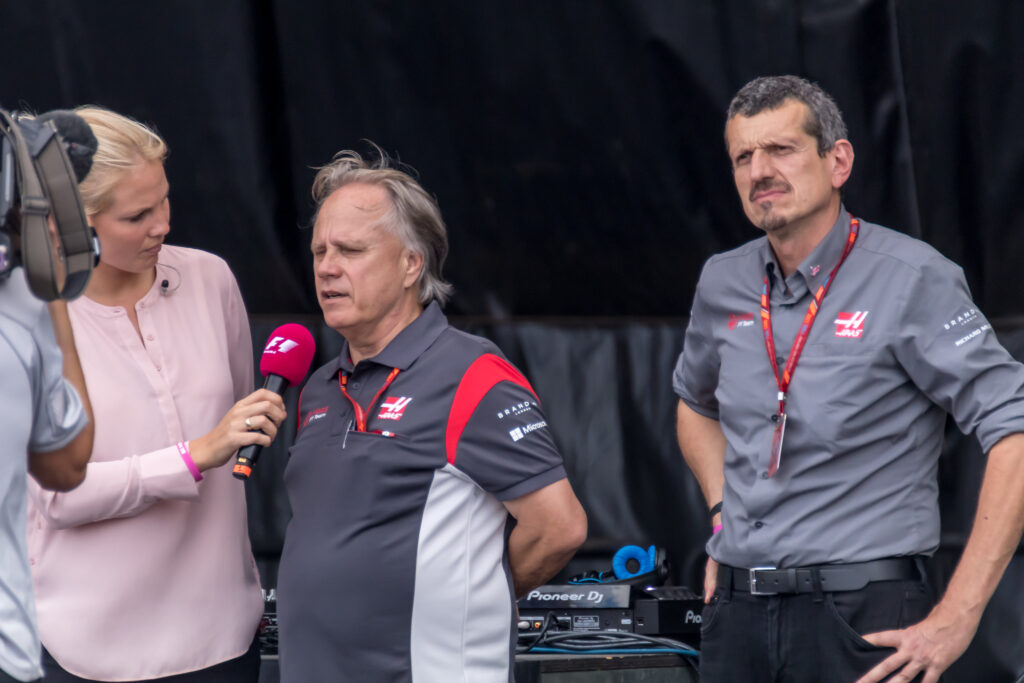
For those whose motorsports education apparently began with Netflix, allow me to introduce a little ancient history: CART stood for Championship Auto Racing Teams. Yes, boys and girls, there actually was a spectacular international open-wheel championship before somebody decided that putting a camera in Guenther Steiner’s face while he was swearing at his (Gene) Haas mechanics constituted motorsports history.
It was a magnificent collection of driving talent, competing engine manufacturers, innovative chassis makers — extraordinary machinery racing on everything from superspeedways, short ovals, permanent road courses and temporary street circuits.
There was Mario Andretti, Michael Andretti, Emerson Fittipaldi, Bobby Rahal, Rick Mears, the Unsers, and plenty of other genuine stars.
Then there was Nigel Mansell.
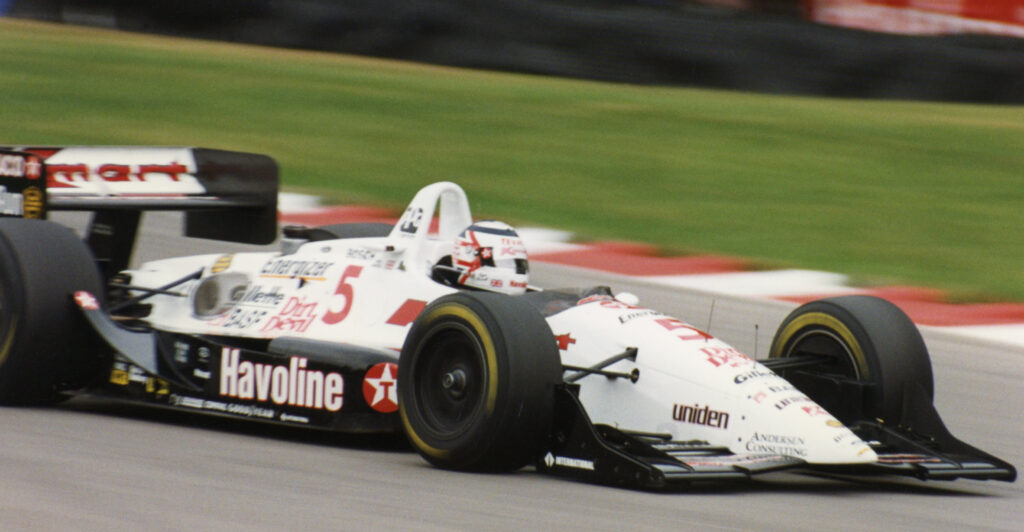
Think about this for a moment: In 1993, the reigning Formula One World Champion packed his bags, crossed the Atlantic, and went racing for Newman/Haas in CART. He promptly won the championship in his rookie season. He wasn’t some aging Formula One refugee wandering around the paddock with his helmet, looking for one last paycheck before collecting his pension, like Eddie Cheever and Romain Grosjean. He was the bloody reigning World Champion!
Now, wrap your heads around this one. Imagine Max Verstappen announcing tomorrow that he’s packing up his helmet and heading to Chip Ganassi Racing. The European motorsports establishment would collectively suffer an apoplectic seizure. There’d be emergency meetings, endless television analysis, and approximately six million social-media “experts” explaining why he’d lost his mind. Yet that’s precisely the sort of prestige CART enjoyed when Nigel Mansell arrived in 1993. Are we beginning to understand just how big a deal this series once was?
So why isn’t IndyCar still enjoying it? Sometimes the best source is your old man.
The more I thought about this whole IndyCar-versus-Formula-One debate, the more I realized that I had a rather unusual resource sitting up in Wisconsin: My pops…
Dick Stahler spent more than three decades working alongside Carl Haas, promoting major motorsports events including all the races at Road America, the Milwaukee Mile, and Houston Grand Prix. Their involvement in motorsports even extended to the short-lived Beatrice/Haas Lola Formula One team in the mid-1980s. While enthusiasts argued about horsepower, lap times, and which driver had the biggest brass ones, Dad was dealing with the considerably less glamorous business of selling tickets, attracting sponsors, courting the media, and making the whole circus financially viable. You know, the stuff that actually keeps a racing series alive…
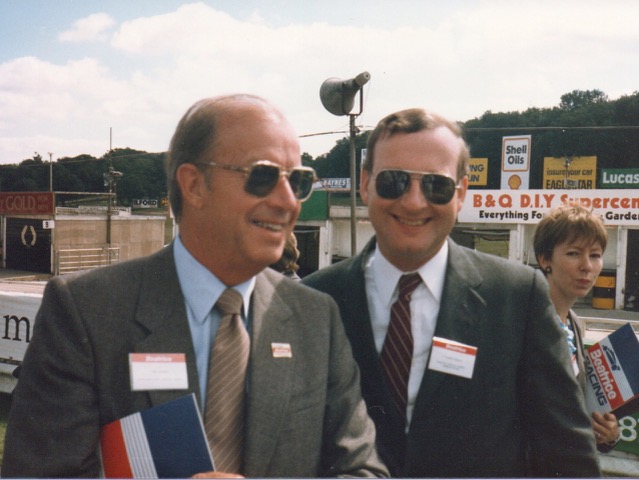
As always, I picked up the phone. Rather than listen to another “armchair expert” explain how IndyCar could conquer Europe simply by adding more passing zones, I figured I’d talk to someone who had actually helped sell the series when it was an international attraction.
My first question was simple: What made CART such a successful attraction? His answer was equally simple. “It was the overall presentation.” They advertised the fastest cars, the biggest stars, and the prestige of the Indianapolis 500. In other words, they sold the spectacle.
For a while, it worked beautifully. Dad remembered tremendous crowds at Milwaukee and Road America, particularly in the early years. But there was a problem. Those enormous crowds weren’t necessarily sustainable. The promotional effort didn’t diminish, but attendance eventually did, and therein lies one of the great misconceptions about motorsports. Just because you put on a fantastic race doesn’t mean people will keep buying tickets.
Page seven, if you were lucky
Of everything Dad told me during our conversation, one subject was especially enlightening: describing the paramount effort required just convincing the mainstream media that automobile racing deserved coverage.
He remembered working with motorsports writers around the country, people like Shav Glick at the Los Angeles Times, Gordon Martin at the San Francisco Chronicle, John Radosta at The New York Times, and Chicago writers including Phil Pash and Bob Marcus.
These were relationships worth cultivating because motorsports was perpetually relegated to the back of America’s sports sections. As we agreed: racing was traditionally page-seven news — and that’s if you were lucky…
America is a stick-and-ball sporting nation. Football, baseball, basketball — heck, even hockey has spent decades fighting for a larger piece of the national spotlight. Try competing with the Bears for newspaper space on a Monday morning in the Chicago Tribune. Good luck with that. Seriously.
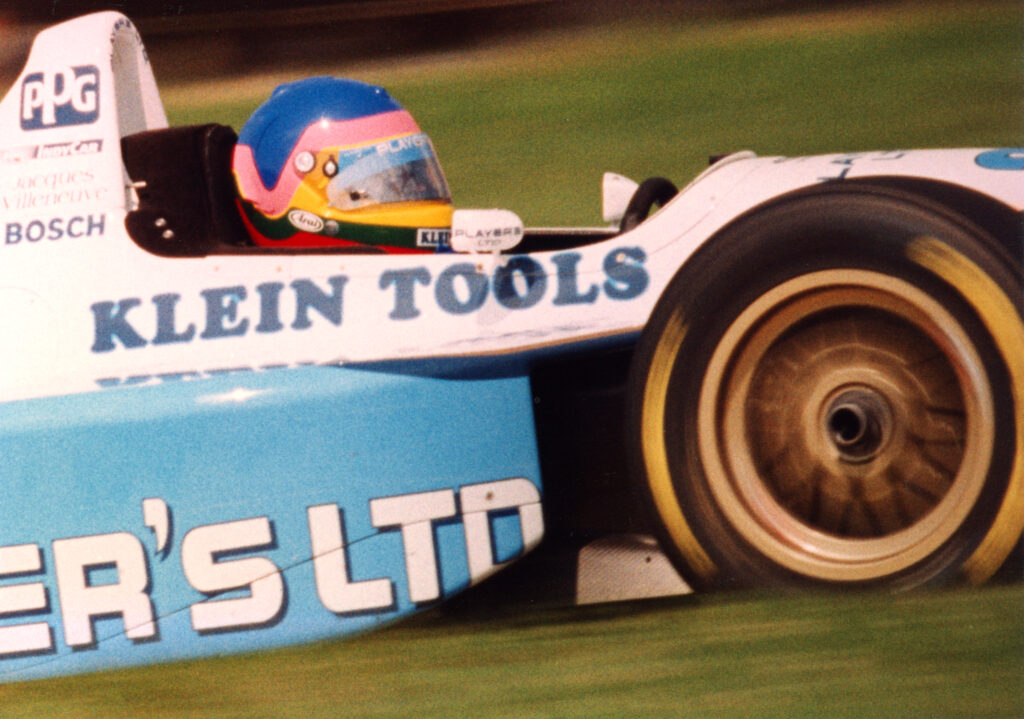
Consider the absolute absurdity of this. Some of the fastest racing cars on the planet, driven by Indianapolis 500 winners and Formula One World Champions, were entertaining tens of thousands of spectators. Yet come Monday morning, some sports editor apparently decided that the results of a high-school basketball game were more deserving of precious newspaper space than 200-mph machinery driven by world-famous chariot pilots who could make the racing scene in Ben-Hur look like child’s play. Is it any wonder American motorsports promoters occasionally wanted to bang their heads against a wall?
The promotional budgets weren’t bottomless, either. Dad described bartering advertising with newspapers, arranging civic club appearances, putting together special ticket packages, and basically hustling for every precious inch of publicity. He even created a Midwest Triple Crown promotion linking Chicago Motor Speedway, Milwaukee, and Road America, with discounted ticket packages and an additional purse. Creative? Absolutely. Desperate? Occasionally. But that was the reality of promoting American motorsports.
When I asked what he would have done differently, he didn’t hesitate. “I would have spent more money on marketing.” There it was. Not more horsepower. Not another fancy street circuit. Not yet another change to the technical regulations. Marketing.
Formula One figured out something IndyCar hasn’t mastered
Here’s something the IndyCar faithful might want to tattoo on their foreheads: Nobody outside the racing community gives a rat’s ass how many passes happen during a race if they don’t care about the people making them. Formula One figured this out. The sport has built a worldwide entertainment empire around drivers, rivalries, money, celebrity, and enough oversized egos to fill a small European country. Sure, the racing occasionally resembles a very expensive parade. But the audience is watching, the sponsors are spending, and the cash registers are ringing. Somebody in Indianapolis might want to pay attention.
Formula One reported more than 125 million followers across its social-media accounts in 2026. That’s an extraordinary amount of attention. Of course, Formula One existed long before Liberty Media and Netflix came along. Bernie Ecclestone spent decades building its international commercial structure, but Drive to Survive was a masterstroke.
Throughout my life, beginning as a kid, I knew the personalities. I knew the cars. I knew the tracks. But in America, Formula One was practically a secret handshake among a relatively small group of enthusiasts who knew the difference between a Lotus 72 and a Lotus flower.
Then reality television came along. Suddenly, everybody’s a Formula One expert, with a profound knowledge of a championship whose history apparently began seven years ago. Never mind the other 69 years of extraordinary drivers, manufacturers, technological innovations, triumphs, and tragedies. Apparently, motorsports history began when Netflix discovered that racing drivers and team principals occasionally behave like spoiled children.
Here’s what Formula One understood: You don’t have to convince somebody to love a racing car before you can convince them to care about the person driving it. Give people heroes, villains, rivalries, enormous egos, and the occasional spectacular public meltdown, and suddenly they’re invested. The racing becomes the payoff. Some of these new fans probably couldn’t explain the difference between a turbocharger and a toaster, but they know which driver they love, which team they despise, and who they hope gets his ass handed to him on Sunday. Guess what? They’re watching.
My friend Casey Putsch, who’s built a substantial following with his automotive YouTube channel, once made the rather provocative observation that his channel generated more exposure than IndyCar did in a year. I wouldn’t treat that as a literal comparison without examining the numbers, but the point behind his comment is worth considering. You can have the greatest racing in the world. If nobody’s watching, you’re essentially putting on a very expensive private track day. That’s a problem.
NASCAR’s answer? Turn racing into football
NASCAR understood years ago that it needed to attract a broader American sports audience. Unfortunately, somewhere along the way, somebody apparently decided that automobile racing needed to look more like the NFL. So we got playoffs, elimination rounds, stage racing, and an increasingly convoluted championship structure.
What a load of horse-hockey!
A race has a green flag and a checkered flag. You start. You race. You finish. Why in God’s name do we need to divide the damned thing into three acts like a Broadway production? Why should a season-long championship be decided by a playoff format rather than rewarding the driver who consistently outperforms the competition over the course of the year?
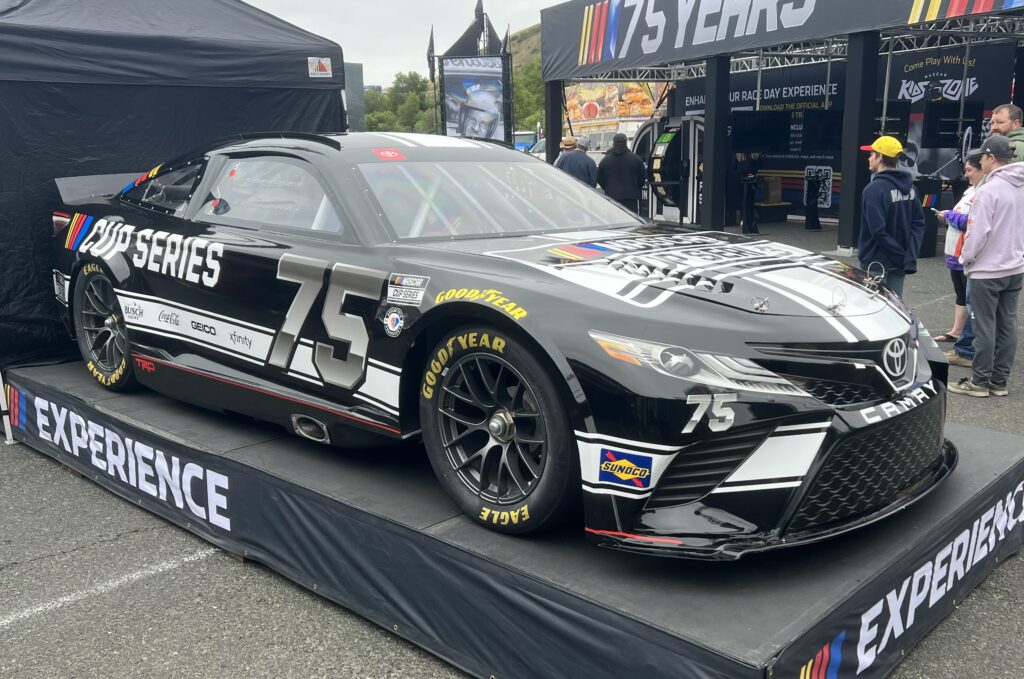
Award points for finishing positions. Add them together. The driver with the most points wins the championship. Congratulations. You’ve successfully invented racing.
My objection isn’t that NASCAR tried to attract new fans. That’s what every motorsports organization should be doing. It’s that changing the fundamental competition format isn’t the same thing as making the sport more compelling. I certainly haven’t seen convincing evidence that stage racing and playoffs suddenly transformed NASCAR into an unstoppable audience-growth machine. You don’t create lifelong fans simply by borrowing gimmicks from stick-and-ball sports. You create them by making people care about the competitors.
Where have all the stars gone?
That’s where NASCAR and IndyCar offer an interesting contrast. NASCAR tried changing the way the championship works to make the product more attractive to casual viewers. Formula One, meanwhile, figured out how to turn the people involved into entertainment properties without needing to reinvent the fundamental premise of racing. IndyCar has some of the finest driving talent anywhere on the planet. What it doesn’t have, at least not yet, is enough of the larger-than-life recognition that makes somebody who couldn’t care less about motorsports want to tune in.
Don’t misunderstand me. Alex Palou is an extraordinary talent. Scott Dixon has established himself as one of the greatest drivers in American open-wheel history. Josef Newgarden, Pato O’Ward, and the rest of the field are hardly lacking in ability. But how many people outside the racing community could pick them out of a lineup?
Compare that with Mario Andretti. Or Nigel Mansell.
Dad had some particularly interesting recollections about Mansell, who apparently arrived in CART with an ego approximately the size of the Queen Mary.
Mansell had experienced his share of political and financial disagreements in Formula One, and Carl Haas was willing to pay him. But Dad also recalled that Mansell believed his celebrity alone could elevate CART to another level of international recognition. Was that arrogant? Hell yes! Was he entirely wrong? Not necessarily…
Mansell was larger than life. He was controversial, spectacularly talented, and occasionally capable of behaving like a complete pain in the ass. Which, from a promotional standpoint, isn’t necessarily a bad thing.
Dad also remembered how Mansell’s attitude changed following the 1994 Indianapolis 500, when rookie Dennis Vitolo collided with him during a caution period, eliminating him from the race. Mansell was furious that a driver he considered an insufficiently qualified pay-to-play driver had helped put him out of the Indianapolis 500. It was an interesting insight into both his personality and the differences between the racing cultures.
Traditionally, European Formula One fans dismiss IndyCar as a destination for washed-up Grand Prix drivers and hopefuls who never quite made the grade. That’s an unfair generalization, but the perception exists.
In CART’s heyday, the reigning Formula One champion came to America because the opportunity was genuinely attractive. That’s quite a difference. It raises a question that has little to do with who can execute a better pass into Turn 1. How do you make the public care about the people driving the cars?
Roger Penske deserves credit. But we’re not there yet.
Give credit where it’s due. Roger Penske and his people haven’t been sitting around polishing the Borg-Warner Trophy and waiting for the telephone to ring. The FOX television partnership has delivered meaningful audience growth, and the investment in driver-focused programming is precisely the sort of thing I’ve been arguing IndyCar needs. In 2026, the series averaged approximately 1.68 million viewers per race, up 23 percent from the previous year. That’s progress worth celebrating. But let’s not confuse improved television ratings with having suddenly built an international entertainment empire. Formula One has spent decades developing its global identity. IndyCar is still working on getting people outside its existing audience to recognize the drivers without their helmets on.
Fox and IndyCar also introduced ALL IN: INDYCAR, a behind-the-scenes documentary series that attracted more than six million YouTube views during its first season. In other words, somebody is finally doing something about telling the stories behind the drivers. Imagine that.
The inaugural Grand Prix of Arlington, developed with the Dallas Cowboys and Texas Rangers organization, demonstrated what can happen when major sporting interests bring their marketing muscle to the party. Dad was particularly complimentary about that event and the promotional effort surrounding it. But he was also candid about the broader championship. He believes additional engine manufacturers would make IndyCar more attractive, particularly internationally. He’s also skeptical that the series has fully recovered the stature American open-wheel racing enjoyed before the catastrophic CART–IRL split.
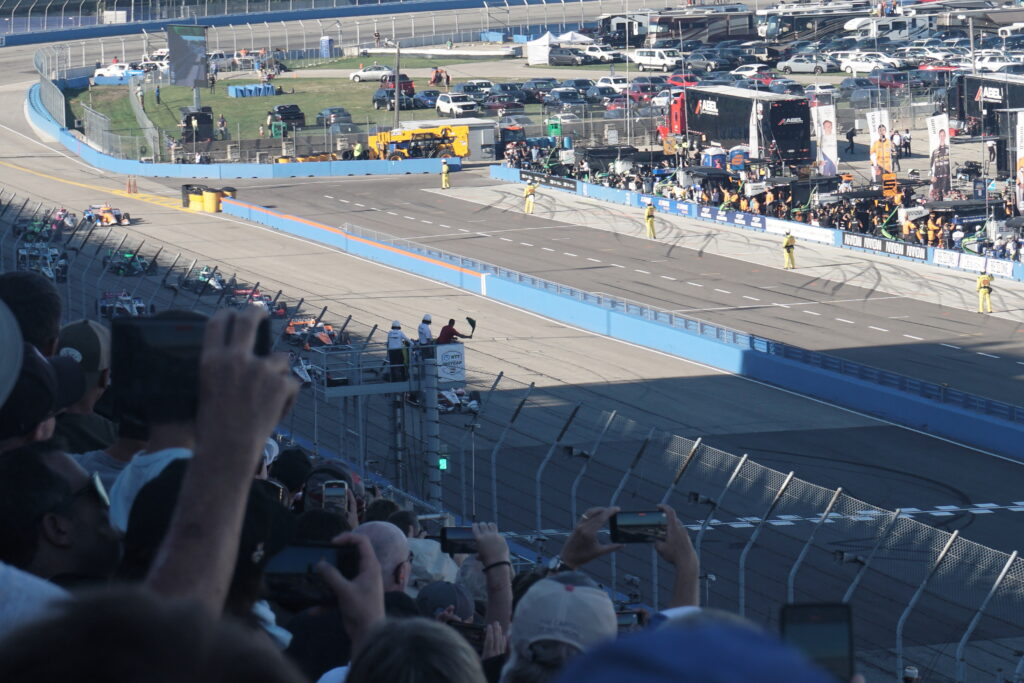
Now, Dad made his living on the CART side of the fence, so naturally his sympathies were firmly planted in that camp. He wasn’t about to become a cheerleader for Tony George and the IRL. But to his credit, he readily admitted that the CART owners were hardly innocent bystanders in this spectacular exercise in self-destruction. He remembered a collection of independently minded, extraordinarily wealthy men whose egos could practically blow the walls out of a room. Tony George had his own ambitions and controlled the most important piece of real estate in American motorsports: the Indianapolis Motor Speedway.
In the end, it was a cock-measuring contest on all sides, with enough oversized egos to fill the Indianapolis Motor Speedway twice over. The only people who really got screwed were the fans.
Dad offered another story that says plenty about the personalities and territorial instincts behind American open-wheel racing. He remembers Carl Haas calling and telling him to put together a presentation to secure the Milwaukee Mile. Haas wanted that race, and he was determined not to see Tony George get it. According to Dad, Carl didn’t particularly care how much money he lost in the process.
So Dad made the presentation — and in typical Dick Stahler fashion — he apparently told the State Fair people running the place that their racetrack was a sewer. They awarded Haas the deal anyway. You have to admire the sales technique. Insult the facility, win the contract, and leave everybody wondering what the hell just happened.
Haas’s promotional tenure at Milwaukee began in 1992, before the CART–IRL split became official. But the story captures the combativeness that Dad remembers from that era. Later, George and partners developed Chicagoland Speedway in Joliet, which opened in 2001 and hosted the IRL. He also opened a track at Disney World. I wouldn’t claim one track deal caused the other. What I would say is that American open-wheel racing had no shortage of powerful men willing to spend serious money defending their turf.
Here’s the part that made me laugh. Roughly two years after declaring that he didn’t particularly care how much money he lost securing Milwaukee, Carl came back to Dad and wanted to know why the damned thing wasn’t making more money. That’s Uncle Carl for you. The same man who used to race slot cars with me in the Stahler family basement while Masten Gregory was upstairs doing his utmost to empty the bar. You can’t make this stuff up. But I digress…
The resulting power struggle from that split of egos was a spectacular exercise in cutting off one’s nose to spite one’s face. American open-wheel racing paid dearly for it.
Barcelona is a beginning, not a conquest.
IndyCar’s return to Europe in July 2027 is encouraging. The Grand Prix of Barcelona gives five-time champion Alex Palou the opportunity to compete in front of his home-country fans and introduces the series to an audience that hasn’t seen an IndyCar race on European soil since 2007. That’s good news. But one race in Spain isn’t going to send Formula One executives scrambling for the nearest bunker.
CART had the stars. It had the manufacturers. It had the spectacular machinery, corporate backing, international races, and the Indianapolis 500. Even with all those advantages, promoters like my father and Carl Haas were still fighting for space on page seven.
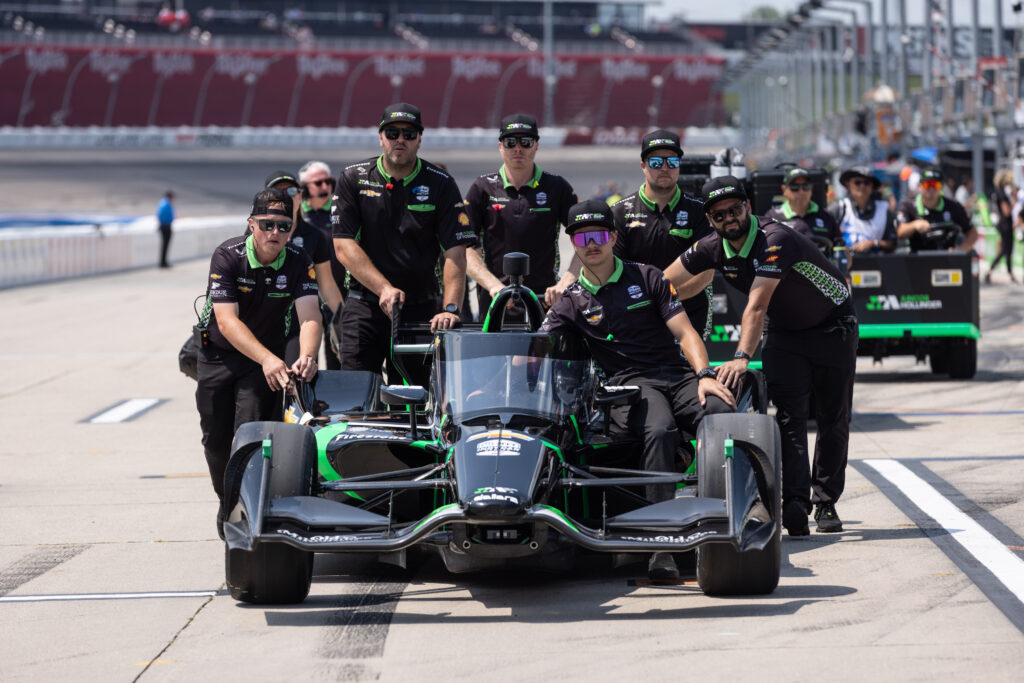
Today, IndyCar has marketing and distribution tools those guys couldn’t have imagined in their wildest dreams.
As Dad put it, “I’m a dinosaur.”
The racing is terrific. The television exposure is improving. The talent is unquestionably there. But none of that automatically makes IndyCar an international powerhouse.
Barcelona is an encouraging beginning, not a declaration of war against Formula One. If IndyCar genuinely wants to compete for a global audience, it needs to sell more than racing. It needs to sell the spectacle, the personalities, the rivalries, and the reasons somebody who has never watched an Indianapolis 500 should give a damn.
So, can IndyCar take on the world? I sincerely hope so. But could we please stop pretending that having more passes than Formula One is some sort of divine qualification for global supremacy? Nobody outside the racing fraternity is sitting around counting overtakes and waiting for a reason to abandon Formula One. They need to care about the drivers, the rivalries, the spectacle, and the championship itself. Until IndyCar figures out how to make that happen on a truly international scale, all the wheel-to-wheel action in the world isn’t going to solve its biggest problem.
The hardest race IndyCar has to win isn’t happening on the track. It’s the race for the audience. There isn’t a damned thing a push-to-pass button can do about that.